Do People Skydive Up North in Winter? Where Northern Skydivers Jump When It's Cold
Most drop zones in the northern US close for winter, but not all. What happens to Midwest and northern skydivers from November to March, who keeps jumping in the cold, and where everyone else goes.
Here's a question that comes up every fall in the northern states: once the leaves come down, do people up north still skydive? Or does everyone just hang up the parachute until spring?
The answer is a little of both. Most northern drop zones close for the winter. Plenty of northern skydivers keep jumping anyway. They just have to get creative about where.
Most northern drop zones close for the season
If you live along the Great Lakes, in the upper Midwest, New England, the northern Plains or the Rockies, your local drop zone almost certainly runs on a season. A typical northern schedule opens in March or April and wraps up in October or November.
Skydive Midwest in Wisconsin, for example, runs from early April until early November and closes for the winter. That's the normal pattern up north.
The reasons are simple:
- It's much colder at altitude. Temperature drops as you climb. On a 40-degree day on the ground, it can be 30 to 40 degrees colder at jump altitude, and freefall at around 120 mph adds serious wind chill on top of that.
- Short, cloudy days. Skydivers need to see the ground. Winter brings more low cloud cover, and fewer daylight hours means fewer loads even on good days.
- Snow and frozen ground. Landing areas, runways and the aircraft all need more work in winter.
- Fewer customers. Tandem first-timers mostly book in warm months, and tandems pay a lot of a drop zone's bills.
Some northern drop zones jump in the cold anyway
Not every northern drop zone shuts down. A few take pride in jumping all year. Skydive Cross Keys in southern New Jersey jumps almost year-round and closes only in January. Skydive Orange in Virginia stays open all year. On a clear, calm winter day, experienced jumpers bundle up and go.
What winter jumpers wear:
- Thermal layers under the jumpsuit, and a jumpsuit cut for cold weather
- Full-finger gloves that still let them work their handles
- A full-face helmet or a balaclava, and goggles that won't fog
- Hand warmers, and a warm hangar between loads
Winter jumping is mostly for licensed skydivers. If you're hoping to do a first tandem up north in January, call ahead. Most northern drop zones won't be running tandems then, and the ones that are will cancel for weather more often than in summer.
Where northern skydivers go in winter
For a lot of Midwest jumpers, winter means a road trip or a plane ticket south. The big warm-weather drop zones run all year, and they fill up with northerners from November through March.
- Florida. The state has several big year-round drop zones, and winter is their busy season.
- Arizona. The desert Southwest has dry air, clear skies and some of the largest drop zones in the world.
- Southern California. Mild winters keep jumpers in the air there too.
Winter is also when a lot of skydivers do their coaching camps and skills work at the big southern drop zones, so they come back north in spring sharper than they left.
Or they go indoors
The other answer is the wind tunnel. Indoor skydiving tunnels run year-round no matter the weather, and many experienced skydivers spend winter training their body flight in the tunnel. It costs less per minute than you might think compared with jump tickets and travel, and they come back in spring with better skills. If you've never tried it, it's also a great way to get a taste of freefall in January. Here's our guide to indoor skydiving.
The bottom line
Yes, some people skydive up north in winter, usually experienced jumpers at the handful of drop zones that stay open on clear days. Most northern jumpers either travel south, train in a wind tunnel, or take a few months off and count down to opening weekend in spring.
If you're thinking about your first jump, winter is a good time to plan it. Book a spring date at your local drop zone and read up first: our beginner's guide and our guide to the drop zone are good places to start.
Sources (3)
Skydive Midwest: When is the best time of year to skydive?; Skydive Cross Keys: Skydiving in Winter; Skydive Orange: What to wear when skydiving in the cold.
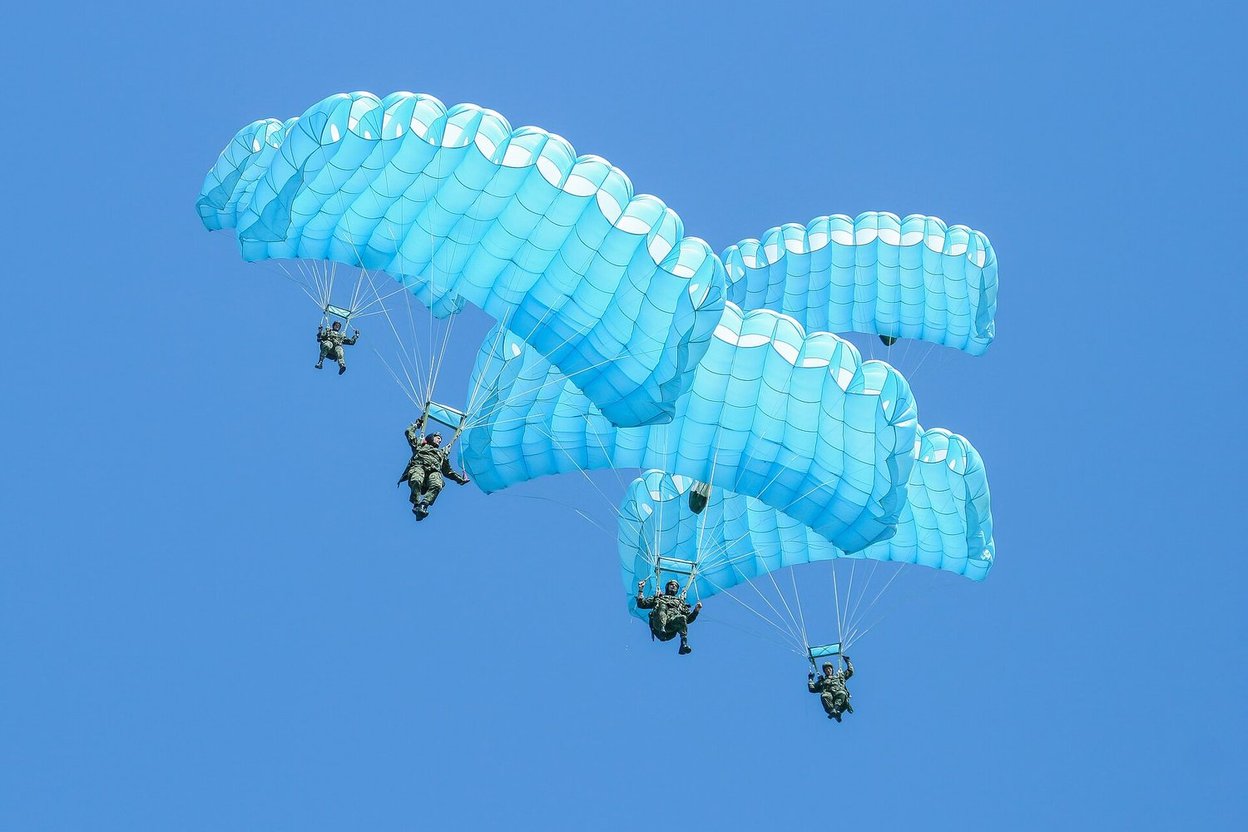
Photo: CH.VD.Bex 2007-09-02 Airshow 396.jpg) by Roy Egloff, CC BY-SA 4.0.