Are Trampoline Parks Safe? What the Injury Data Says
Trampoline parks are a go-to for birthday parties and rainy days. What the injury numbers show, the most common injuries, the standards parks should follow, and how to pick a safer park.
Trampoline parks have become one of the most popular places for birthday parties, field trips and rainy-day fun, especially in winter. They're also a place where a lot of kids get hurt. Here's what the data says and how to keep your family safer.
What the numbers show
A study published in the journal Pediatrics in 2016 looked at national emergency department data from 2010 to 2014. It found that estimated ER visits for trampoline park injuries in the U.S. rose from 581 in 2010 to 6,932 in 2014, as parks spread across the country. Home trampoline injuries, which were far more common overall, didn't rise much over the same period.
The study found that:
- Sprains and fractures were the most common injuries at both parks and homes.
- Trampoline park patients were older on average than home trampoline patients, and more likely to be boys.
- Park injuries were more likely to involve the lower body, especially the legs and ankles.
The study's authors and the American Academy of Pediatrics have raised concerns about trampoline parks, and the AAP discourages recreational trampoline use in general.
How people get hurt
- More than one jumper on the same trampoline. When a bigger jumper and a smaller jumper share a mat, the smaller one is more likely to get hurt.
- Flips and tricks gone wrong.
- Landing on springs, pads or frames between mats.
- Collisions with other jumpers.
- Falls off the trampolines or foam pits.
- Foam pits, where landing badly can hurt the neck or back.
Standards and rules parks should follow
There's an industry safety standard for trampoline parks: ASTM F2970. Some states have their own rules, inspections or permits for trampoline parks, and the International Association of Trampoline Parks has its own safety program. Regulations vary a lot from state to state.
How to pick a safer park
Look for:
- Court monitors in every area, actively enforcing rules.
- One jumper per trampoline rules.
- Separate areas or times for small kids.
- Padding covering springs and frames, in good condition.
- Clear rules posted, including no flips in certain areas.
- Foam pits that are deep and well-maintained.
- Clean, well-kept equipment. Torn mats or loose pads are a red flag.
Ask the park whether it follows the ASTM standard and how often it's inspected.
Rules for your family
- One jumper at a time on each trampoline.
- No flips unless your child has training.
- Jump in the center of the mat.
- Take breaks. Most injuries happen when kids are tired.
- Little kids should stick to the toddler area.
- Read the waiver before you sign it.
Should you go?
Plenty of families go to trampoline parks and have a great time. Knowing the risks, choosing a well-run park and setting rules makes a difference.
For home trampolines, see buying a trampoline as a holiday gift and winter jump workouts for indoor ideas.
Sources (2)
Kasmire et al., "Trampoline Park and Home Trampoline Injuries," Pediatrics, 2016 (PubMed); CNN: Parks behind big jump in trampoline injuries.
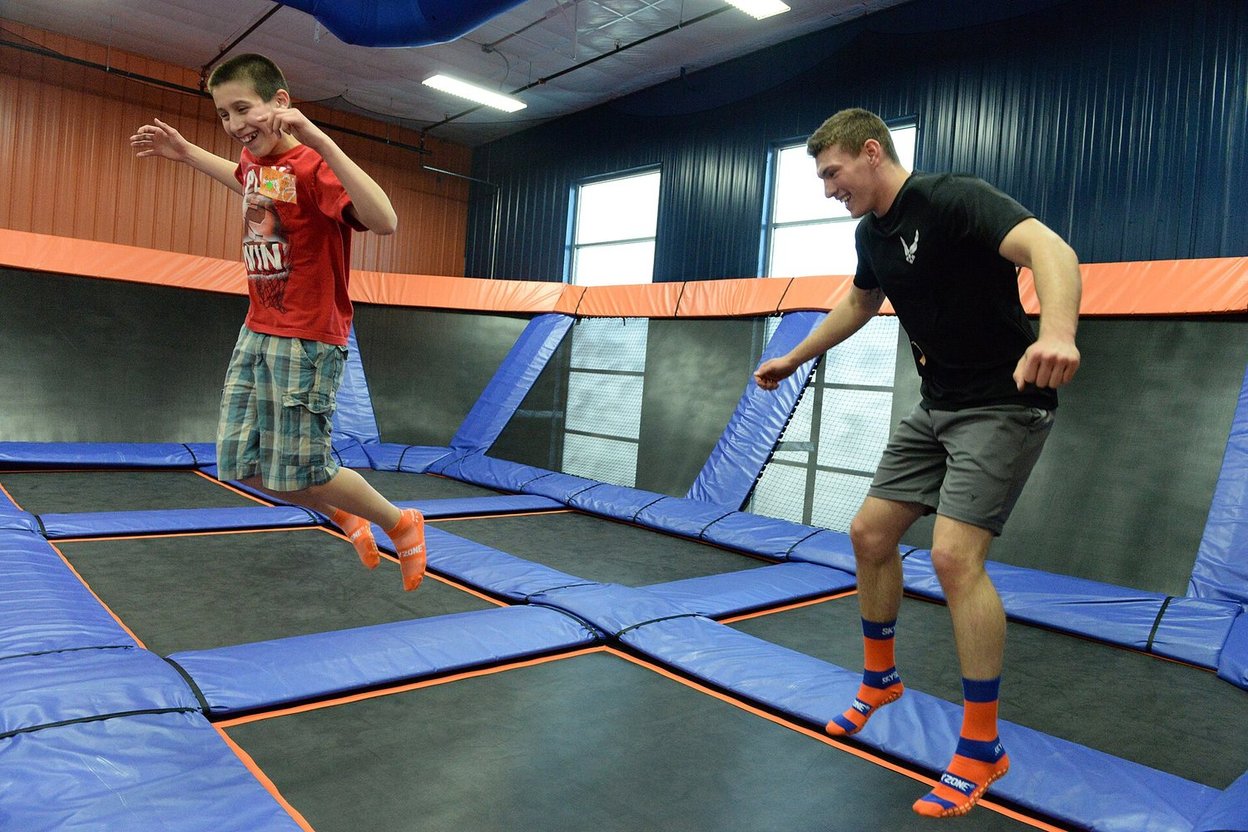
Photo: 119th Wing Airman promotes mentoring youth 150416-Z-WA217-046 by Senior Master Sgt. David Lipp, Public domain.