How to Pick a Good Trampoline Park
Not all trampoline parks are run the same way. What to look for before you sign the waiver: safety standards, court monitors, padding, rules that are actually enforced, and the red flags to walk away from.
With the weather turning cold, trampoline parks fill up with birthday parties and kids burning off energy. Some are run very well. Others are a stack of trampolines in a warehouse with a teenager on a phone. Here's how to tell the difference before you sign the waiver.
Look for the standard
The industry standard for trampoline parks is ASTM F2970, which covers how trampoline courts should be designed, built, inspected and run. Some states require it.
The International Adventure & Trampoline Park Association (IATP) is the main trade group. It requires member parks to follow the standard and pass third-party inspections. Membership doesn't guarantee a perfect park, but it's a good sign. Ask at the front desk whether they're inspected and when.
Court monitors
This matters more than anything else on the list.
- Every court should have a monitor watching it, not checking their phone.
- Monitors should enforce the rules, including stopping kids from doubling up and doing flips.
- There should be enough of them for the crowd. If the park is packed and you count one monitor for the whole floor, that's a problem.
Check the equipment
- Pads covering every spring and frame, with no gaps or torn edges.
- Mats in good shape, not sagging or frayed.
- Foam pits with plenty of clean foam, deep enough that kids aren't hitting the bottom.
- Separate areas for little kids, or toddler times.
- Clean. Look at the floors, the bathrooms and the foam pit. A park that cleans well usually maintains well.
Rules that make sense
Good parks post and enforce rules like:
- One person per trampoline.
- No flips unless in a supervised area designed for them.
- Age or size groups kept apart.
- Grip socks required.
- Short safety video or briefing before you jump.
Red flags
- No monitors, or monitors who don't step in.
- Big kids and toddlers jumping together.
- Torn pads, exposed springs or holes in the mats.
- A foam pit that's thin or dirty.
- Staff who can't answer basic safety questions.
Read the waiver
Every park will ask you to sign one. Read it, especially if you're signing for your kids. It tells you what the park is and isn't taking responsibility for.
Know the risk
Trampoline parks send thousands of people to the ER every year. See what the injury data says. A well-run park lowers that risk, but it's still a place where kids can get hurt. The same rules that keep a backyard trampoline safer apply here.
Sources (3)
IATP: Standards & Research · Scouting America: Trampoline Park Safety · Playground Professionals: Trampoline Park Safety
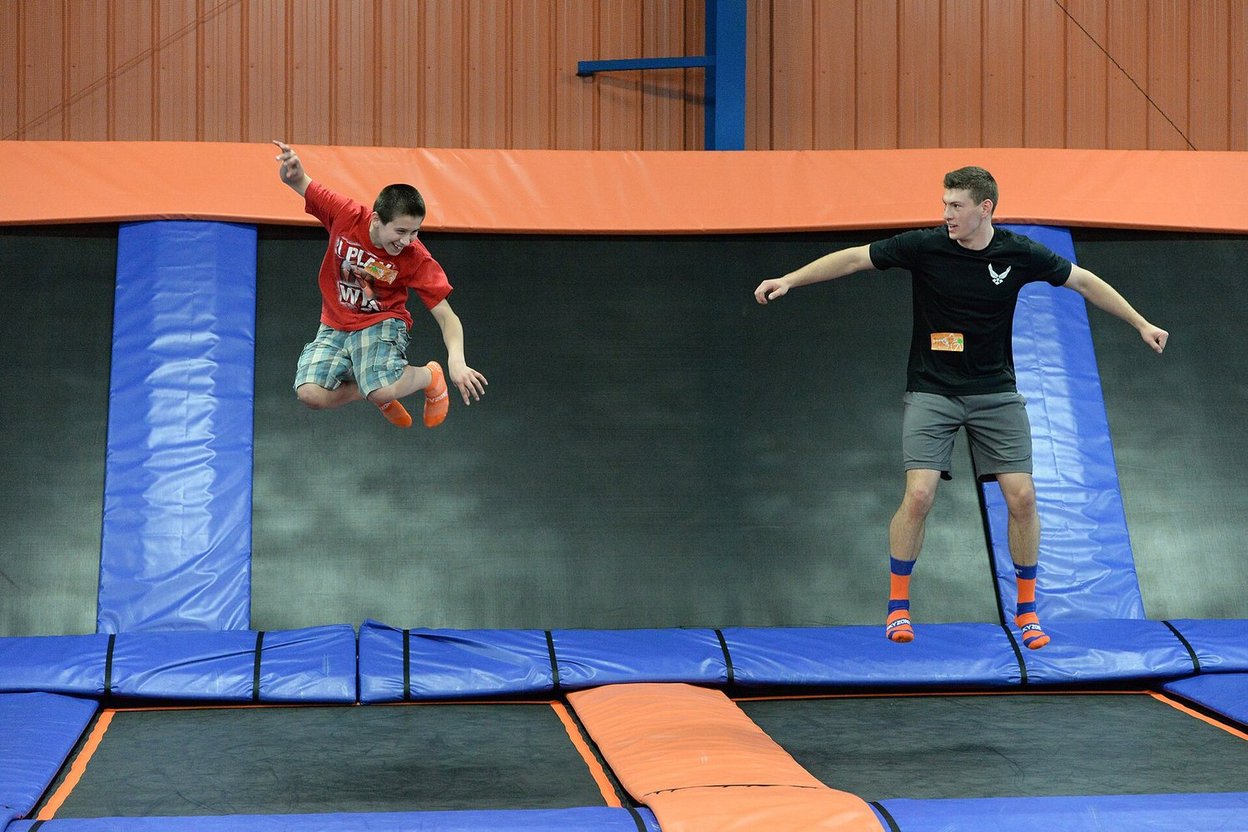
Photo: 119th Wing Airman promotes mentoring youth 150416-Z-WA217-038 by Senior Master Sgt. David Lipp, Public domain.